What Is a Mortise Lock and Why Commercial Doors Demand One
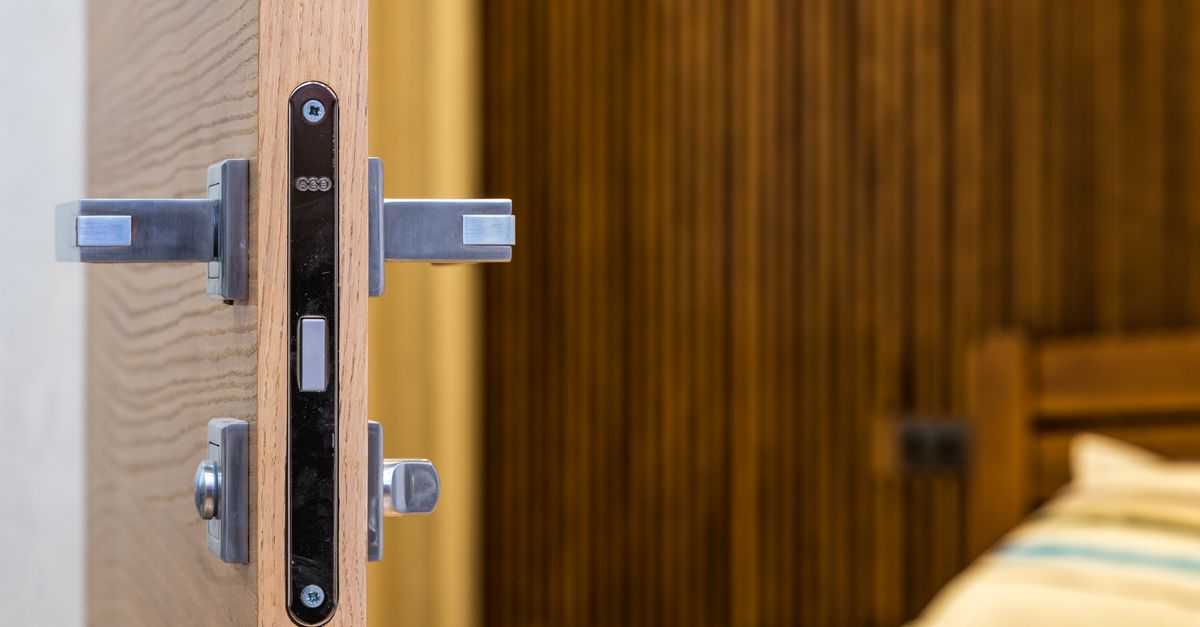
A mortise lock is a complete locking assembly that lives inside a precisely routed pocket — the mortise cavity — cut into the body of the door itself. Unlike a bored cylindrical lock that sits in two simple round holes, a mortise lock set houses multiple mechanisms in one steel case: a spring latch for pull-to-close function, a deadbolt for security, an anti-pick cylinder, and often a separate lever or knob trim on each face. The result is a door that feels solid because the hardware is structurally integrated into the door rather than simply attached to its surface. For commercial applications in Lewes — offices, retail storefronts, rental units, restaurants — this matters enormously because commercial doors open and close hundreds of times a day under conditions that would crack a residential cylindrical lock within months.
The depth and complexity of a mortise lock also make it far more resistant to the two most common commercial break-in methods: kick-in attacks and bolt manipulation. The door stile reinforces around the embedded lock body, and the bolt throw on a quality unit extends well beyond what a cylindrical deadbolt achieves. Brands like Corbin Russwin and Baldwin have built their commercial reputations on exactly this engineering. A Corbin Russwin mortise lock, for instance, is a common specification in healthcare and institutional settings, while Baldwin mortise hardware is popular in upscale commercial and historic-district properties where aesthetics matter as much as function — a consideration very relevant in Lewes's protected historic district along Front Street.